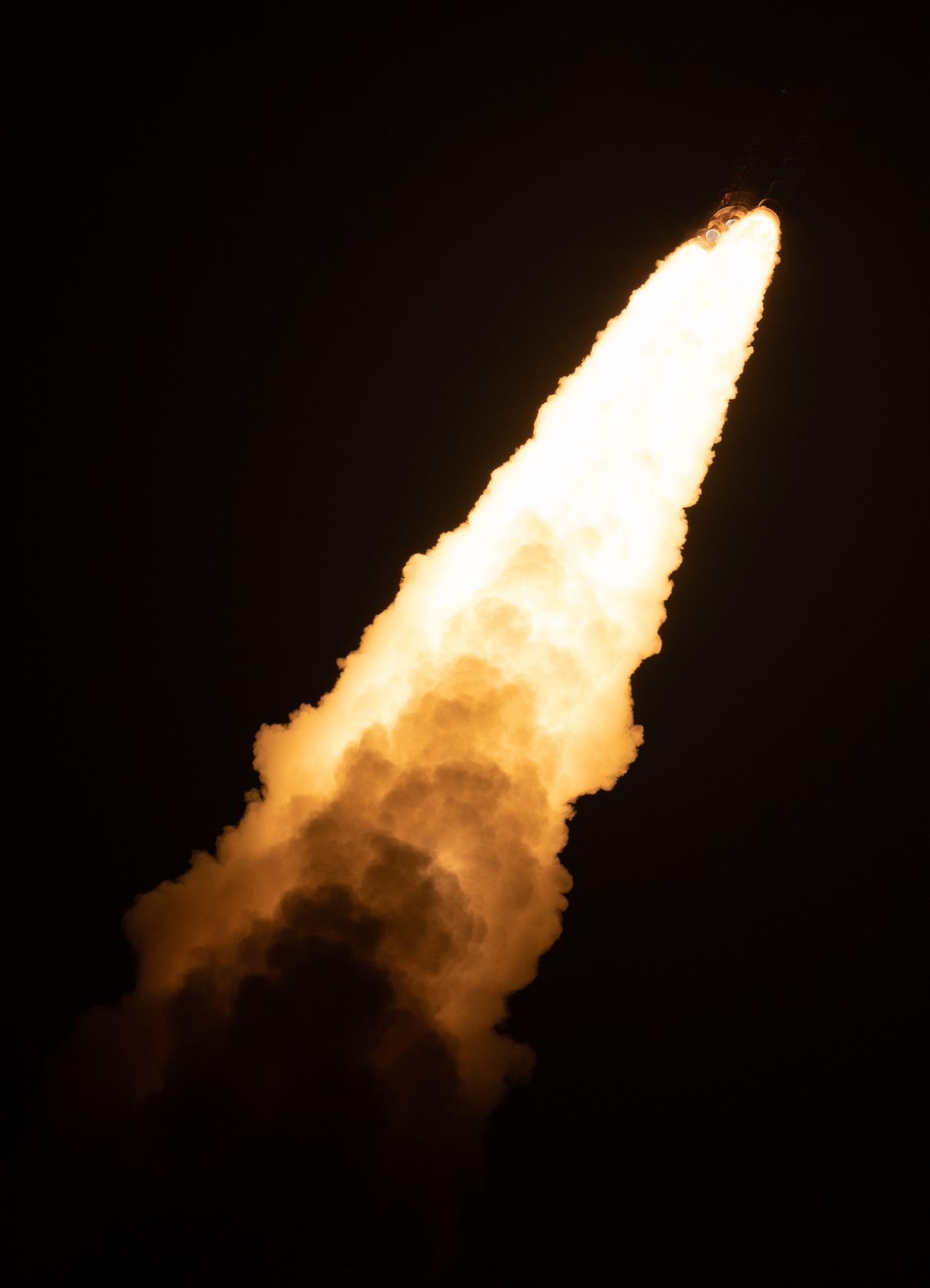
Image: The Artemis I launch. · NASA/Joel Kowsky · NHQ202211160009
Teaching method
Five steps, the same path for every topic.
Every module is taught in the same five steps, so students think before they are given the information.
01
Explore
A real photograph or data point sparks curiosity.
02
Question
“Why is it like this?” is asked together.
03
Predict
Before the answer is explained, students predict by raising their hands.
04
Observe
The result is watched through an animation, a video or (planned) a simulation.
05
Learn
The scientific explanation is reinforced with an everyday example.
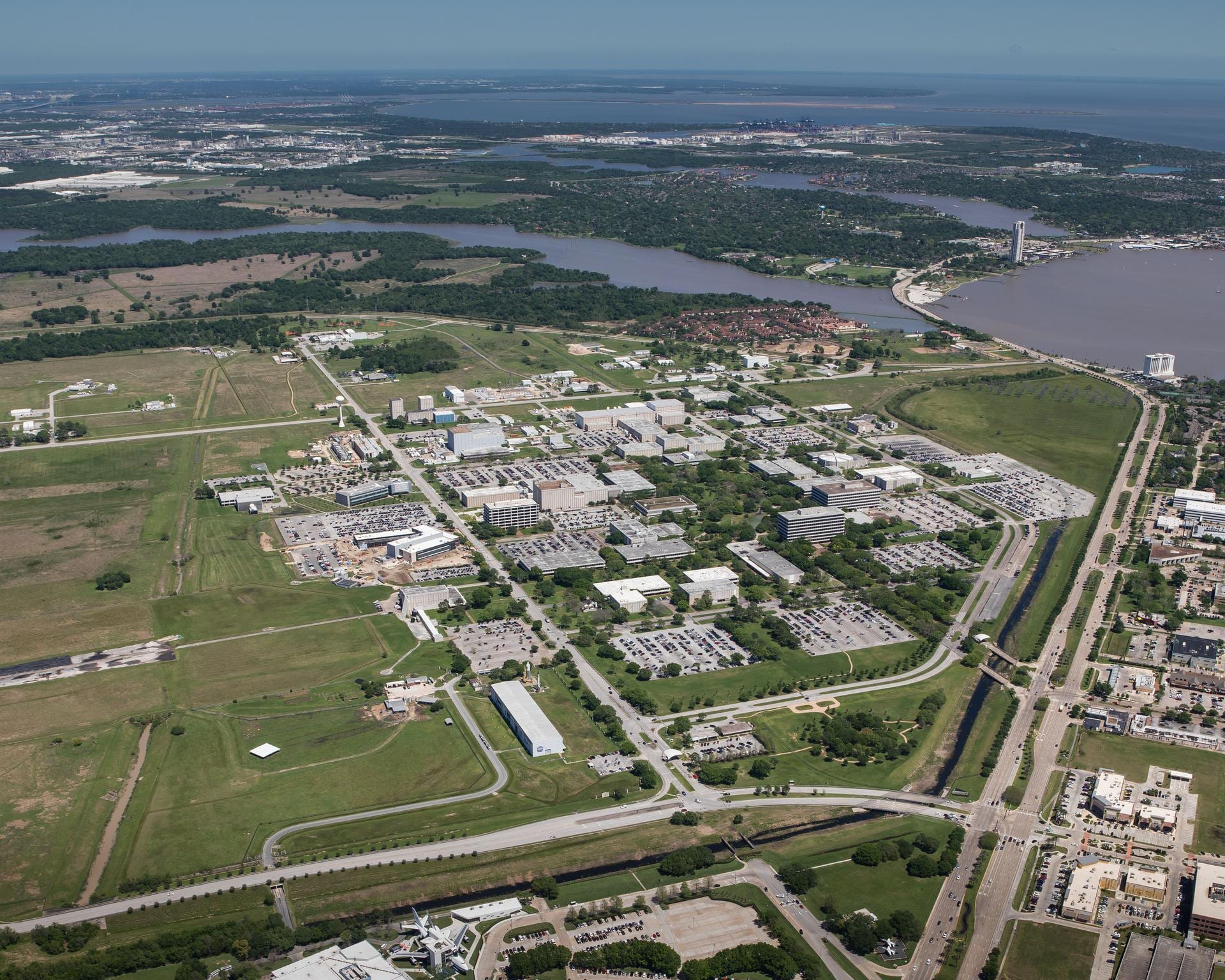
Module 01
NASA and Johnson Space Center
A journey to the centres where space missions are planned and run, and to the work done there.
Learning goals
- Describe what NASA does and how missions are planned.
- Tell apart the roles of different professions in a space mission.
Topics
- What is NASA?
- Mission control
- Engineers and scientists
- Teamwork
Planned experiments
- Mission-planning scenario: a take-turns decision activity
- A teamwork prediction game
Educational materials
- Photographs selected from the NASA archive
- Instructor presentation notes
Module 02
Rockets and space technology
How does a rocket overcome gravity? The logic of rockets through thrust, fuel and stages.
Learning goals
- Explain the idea of thrust (action and reaction) with an everyday example.
- Say why rockets are built in stages.
Topics
- Thrust and fuel
- Parts of a rocket
- Stages of a launch
- Engine tests
Planned experiments
- Planned: a launch-stages animation
- Planned: a mass and thrust simulation
Educational materials
- Launch and engine-test photographs
- A technical cutaway diagram (schematic)
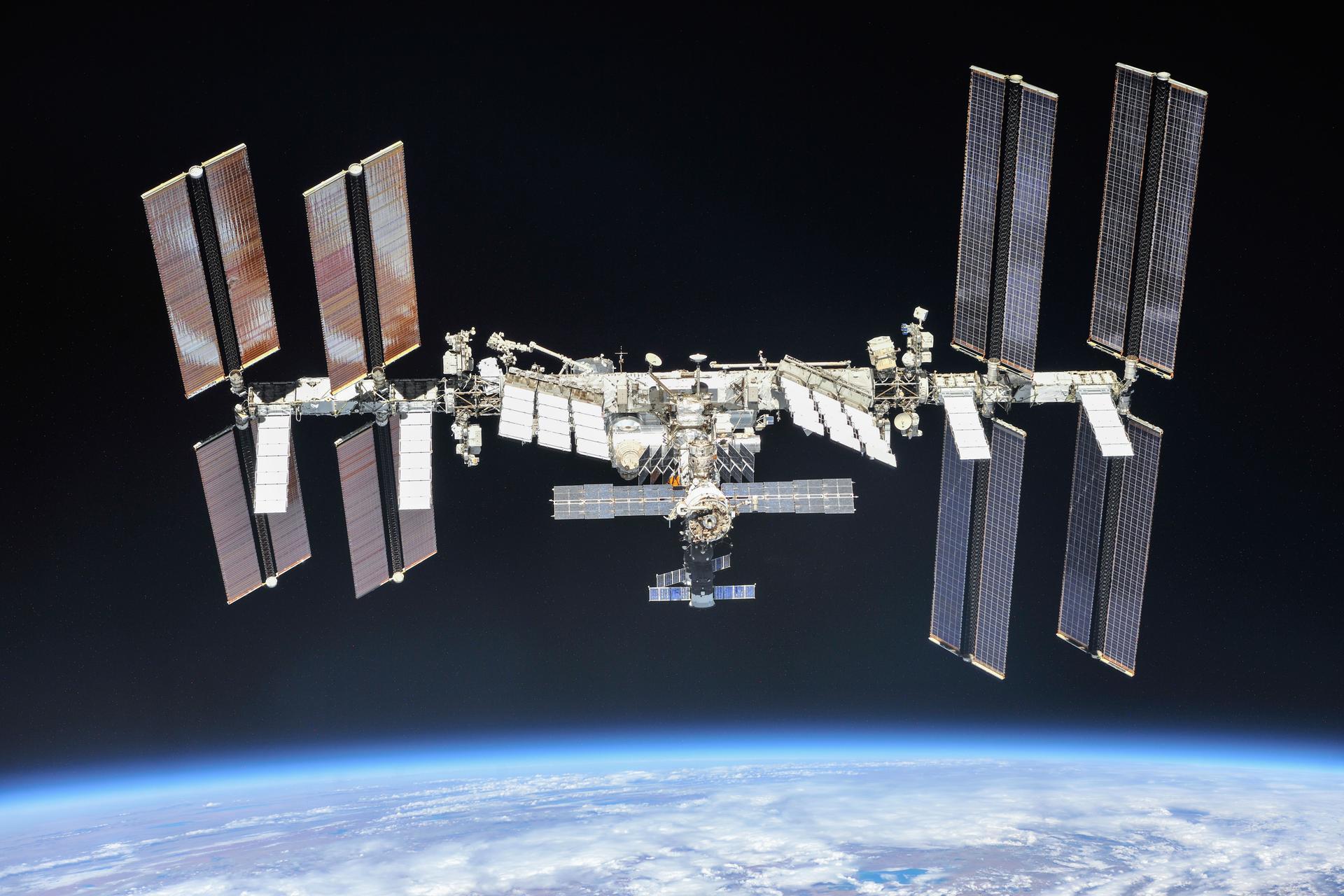
Module 03
The International Space Station
A crewed science laboratory that circles the Earth roughly every 92 minutes.
Learning goals
- Explain intuitively why the station does not “fall”.
- Express orbital height and speed with everyday comparisons.
Topics
- What is an orbit?
- Parts of the station
- Height and speed
- Science on board
Planned experiments
- Planned: a to-scale orbit animation
- Planned: an orbital speed simulation
Educational materials
- Photographs showing the whole station
- A to-scale orbit diagram
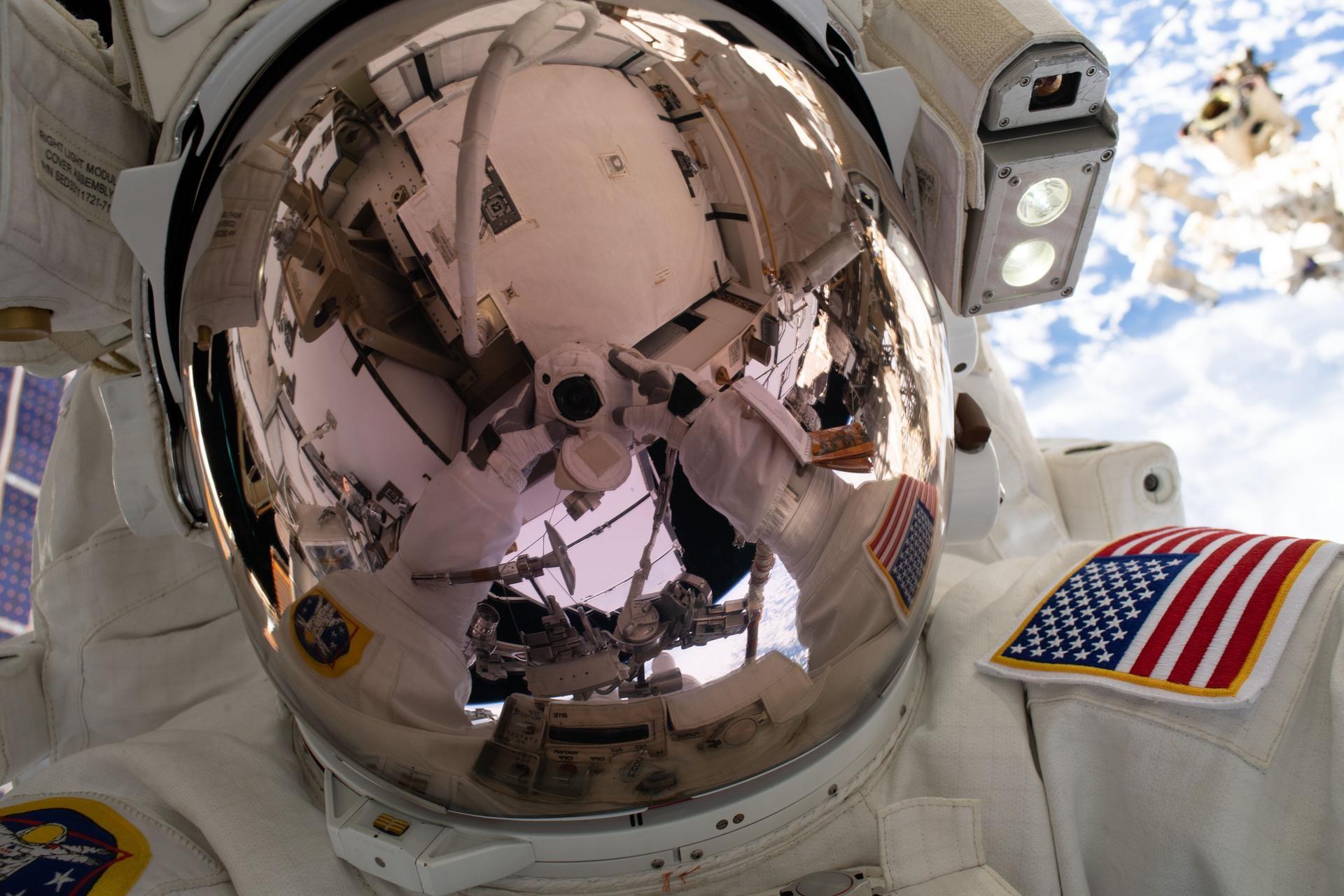
Module 04
Astronauts and life in space
What is it like to work, eat and sleep without weight?
Learning goals
- Predict what weightlessness is and why it occurs.
- Explain the purpose of astronaut training and of a spacesuit.
Topics
- Weightlessness
- Spacewalks
- Daily life
- Health and exercise
Planned experiments
- Planned: a weightlessness prediction activity
- Planned: a spacesuit observation activity
Educational materials
- Astronaut photographs
- NASA educational videos (planned)
Module 05
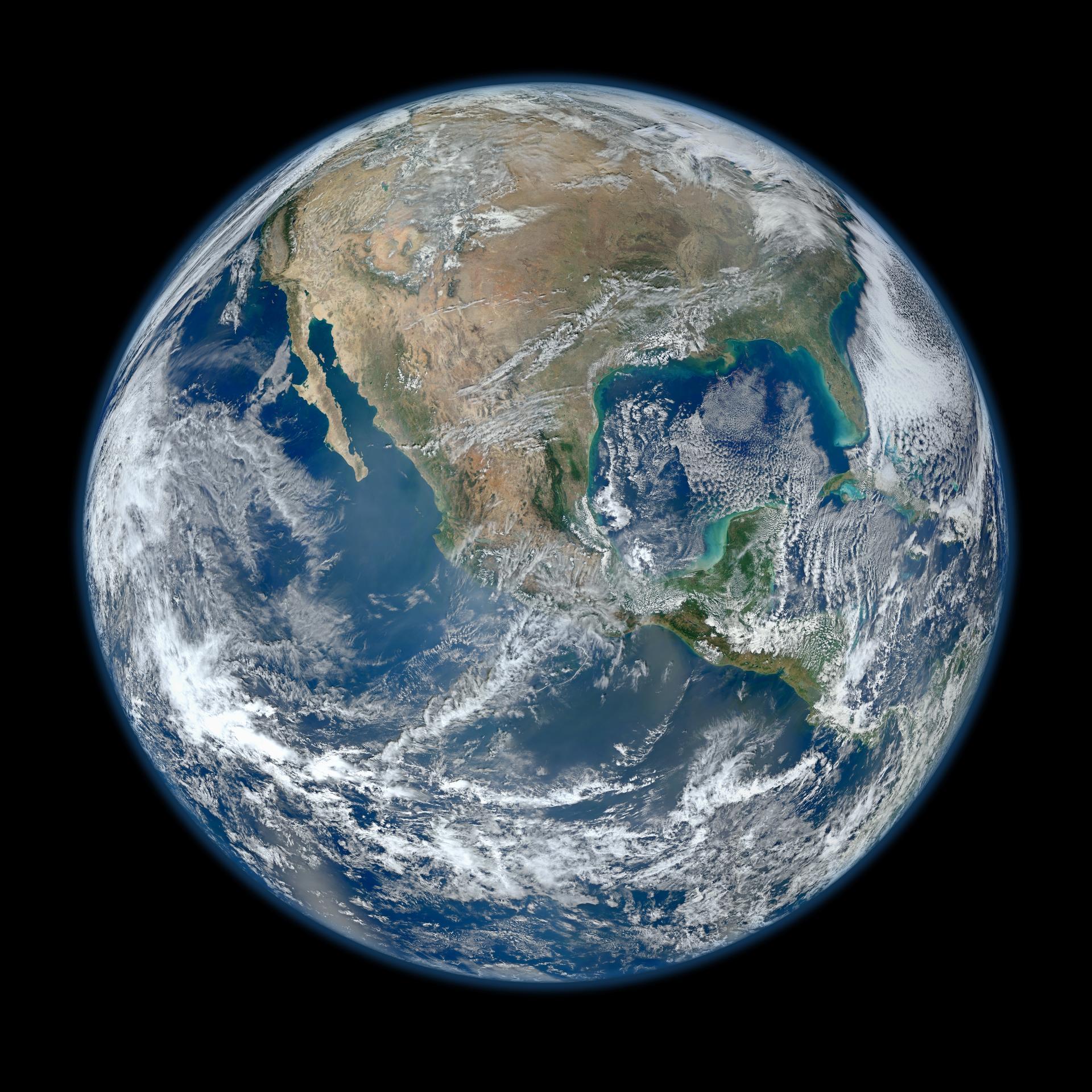
Earth and its atmosphere
The thin layer that protects Earth when seen from space: the atmosphere and our planet's features.
Learning goals
- Compare the layers of the atmosphere and their thinness to scale.
- Express the edge of space with an everyday measure.
Topics
- Layers of the atmosphere
- The edge of space
- Day and night
- Looking at space from Earth
Planned experiments
- Planned: an atmosphere-layers animation
- Planned: a day-and-night model
Educational materials
- Satellite and orbital photographs
- A linear-scale atmosphere diagram
Module 06
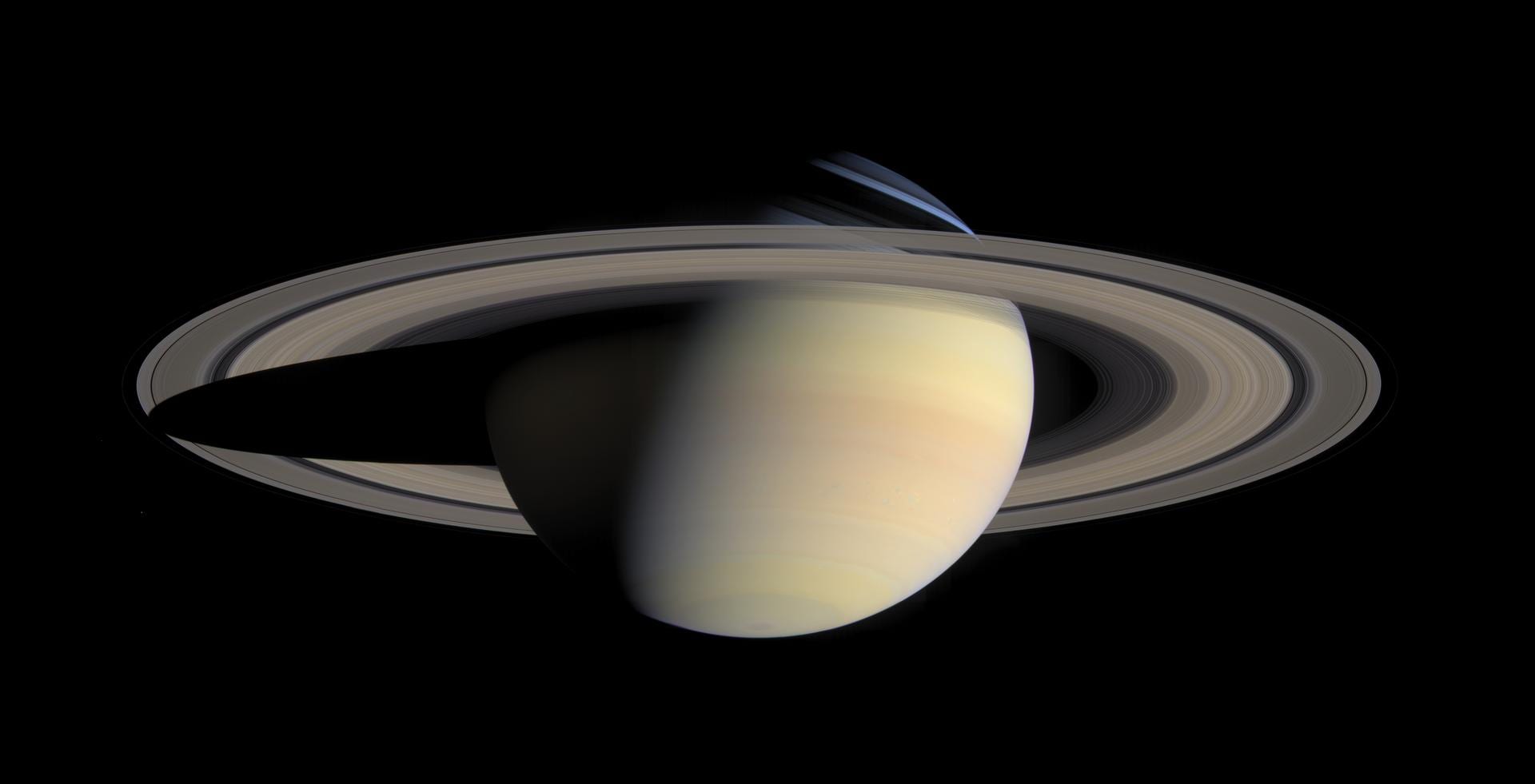
The Solar System
The sizes, distances and features of the planets around the Sun.
Learning goals
- Compare the sizes of the planets with one another.
- Explain the Sun's role in the system.
Topics
- The Sun
- The planets
- Size and scale
- Distances
Planned experiments
- Planned: a to-scale planet comparison
- Planned: an orbital-period prediction activity
Educational materials
- Images of the Sun and the planets
- Scale-comparison screens
Module 07
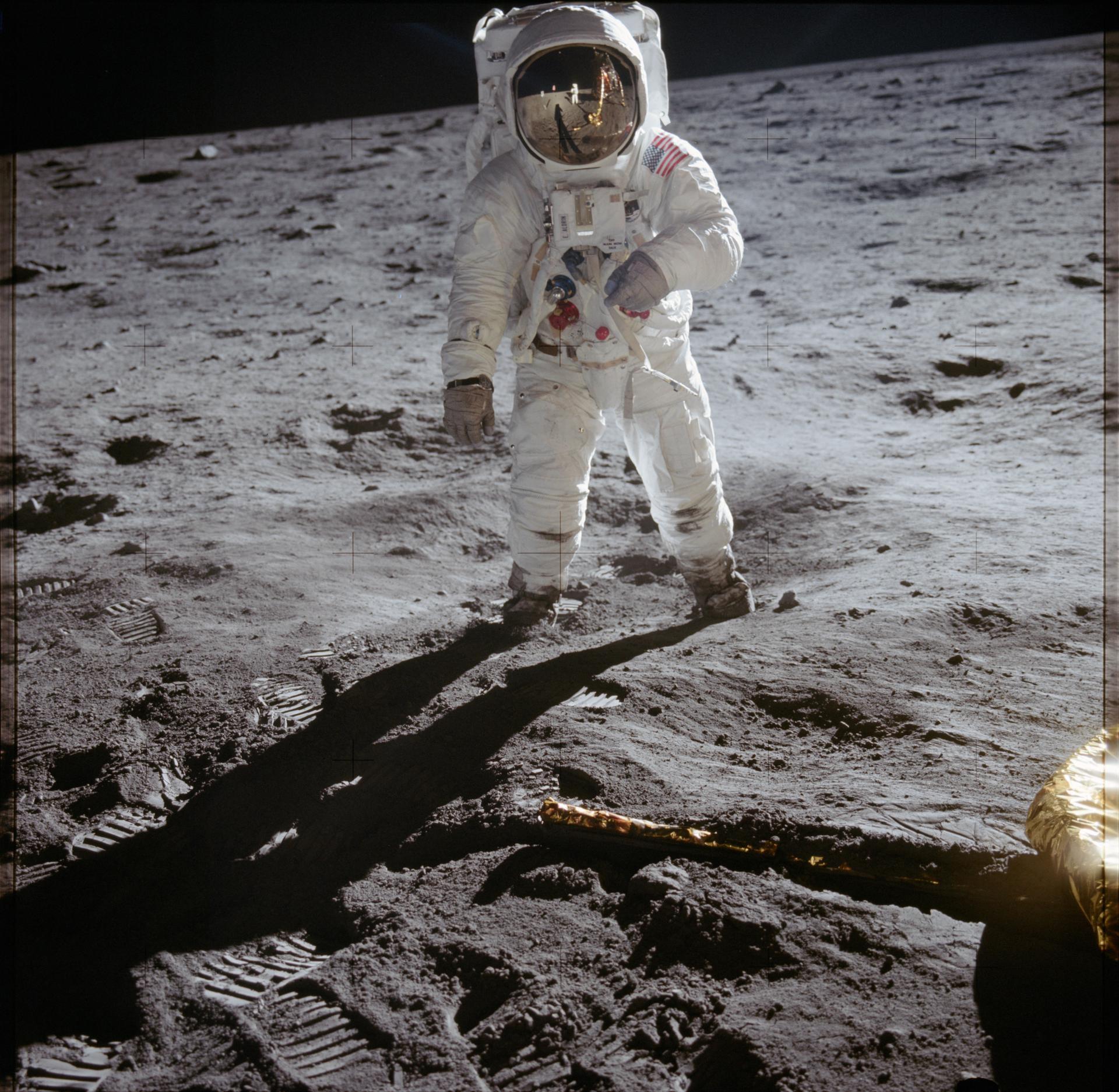
The Moon and space exploration
The first steps in a world without an atmosphere, and efforts to return to the Moon.
Learning goals
- Compare the Moon's surface conditions with those of Earth.
- Put the short history of lunar exploration in order.
Topics
- The Moon's surface
- The Apollo missions
- Returning to the Moon
- The Earth–Moon distance
Planned experiments
- Planned: a Moon gravity comparison
- Planned: an Earth–Moon scale strip
Educational materials
- Apollo and Moon photographs
- A timeline
Module 08
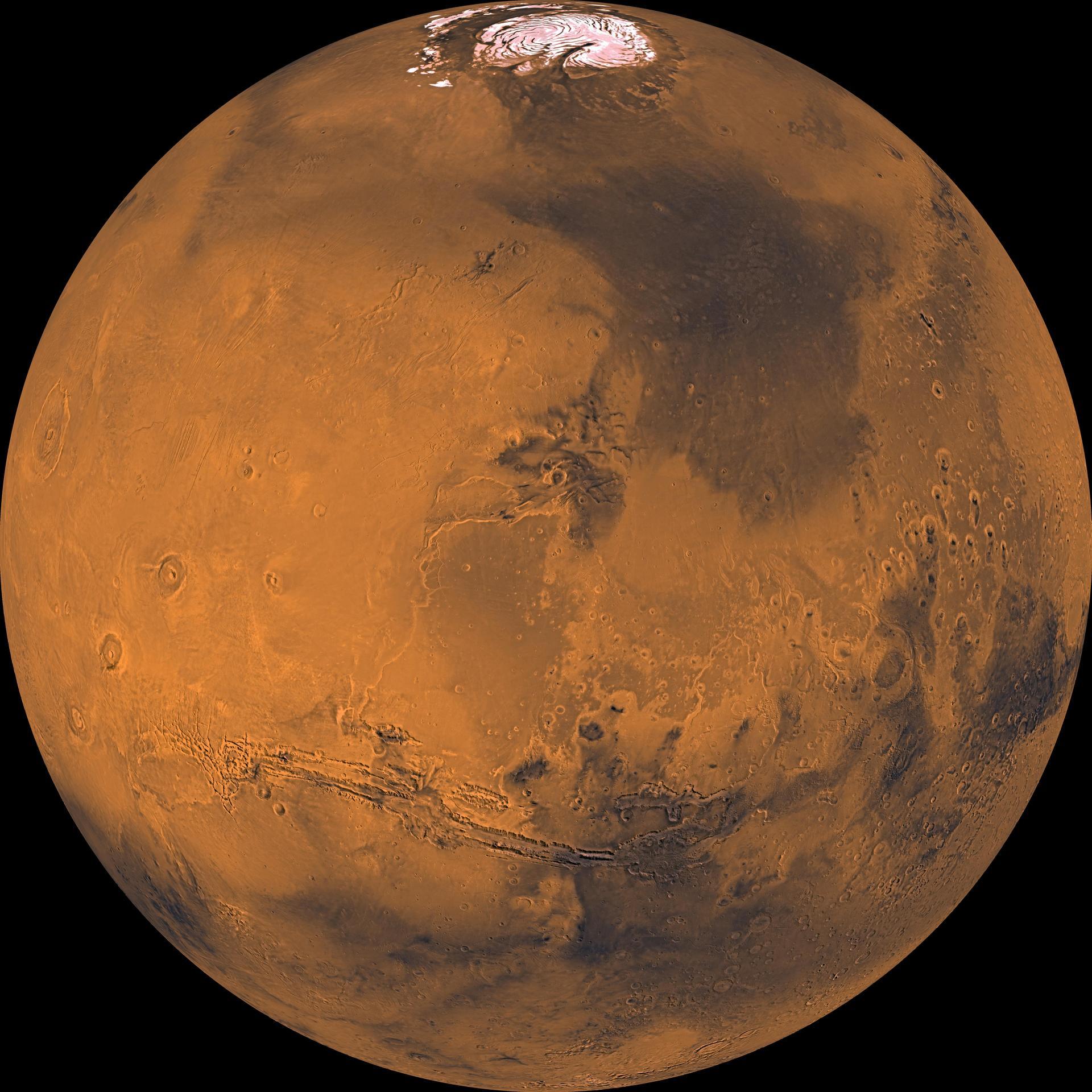
Mars and future space missions
The features of the Red Planet and the open questions of a crewed journey to Mars.
Learning goals
- Compare Mars with Earth in size, gravity and day length.
- List the challenges that Mars missions involve.
Topics
- The Martian surface
- Rovers
- Day and year
- Future missions
Planned experiments
- Planned: a free-fall comparison (Earth–Mars)
- Planned: a Martian-day animation
Educational materials
- Images from rovers and orbiters
- Comparison tables
This page is not a real student course or learning dashboard; it only introduces the educational scope of the Astro Camp event. Experiments and materials marked “Planned” have not been completed yet.