Cosmos Robot Works
FRC #7742 · Space and science event
- Organiser
- Cosmos Robot Works · FRC #7742
- Exploring together
- Space · Science · Engineering
- At the event
- Imagery · Questions · Science stories
- Programme
- Part of the NASA ACCP programme
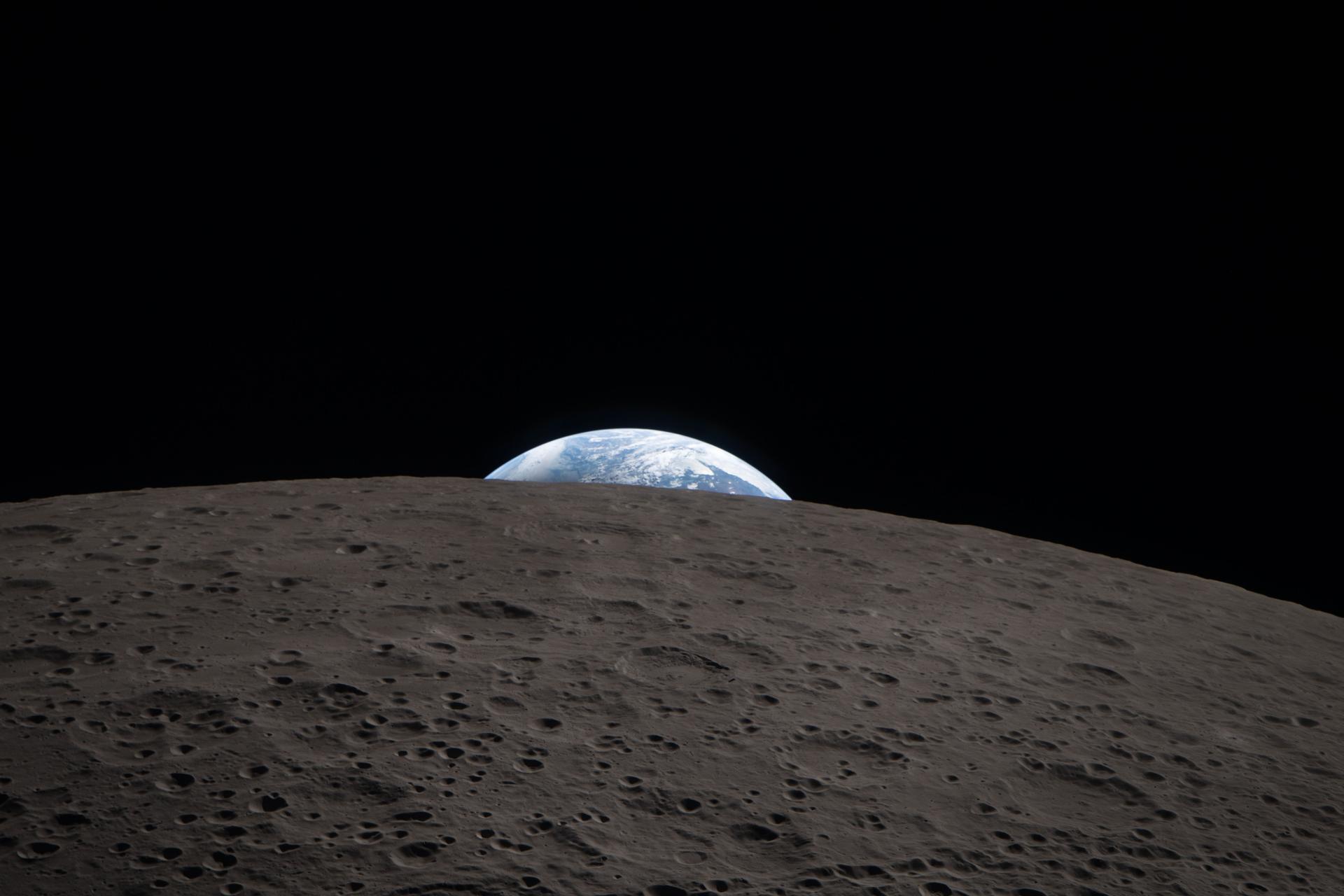
Image: NASA · art002e021278
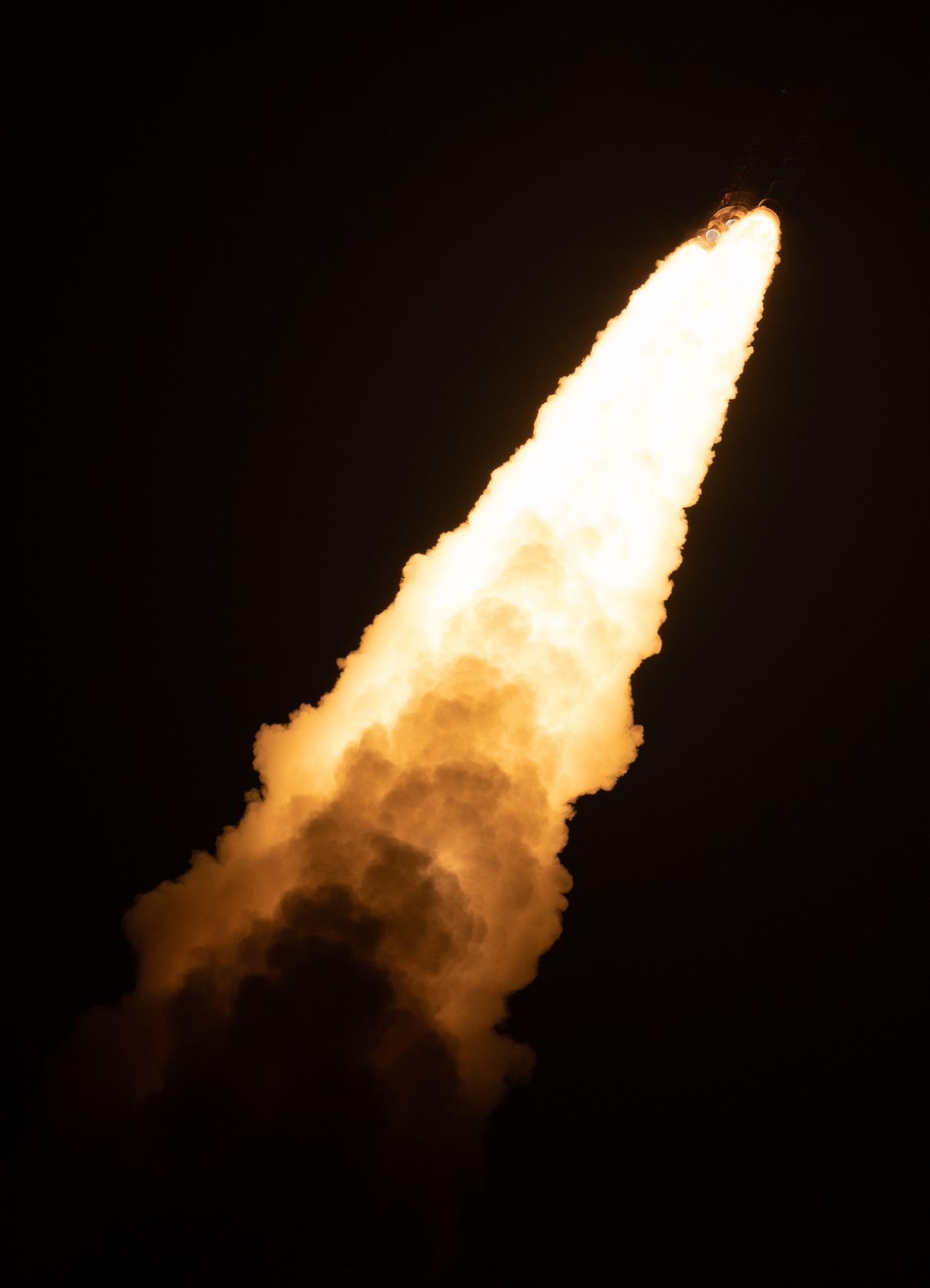
Which way does the gas go?
Look below the engine. Trace the direction of the escaping gas with your finger. Which way does the rocket accelerate?
Check your prediction
The engine pushes gas backward. The gas pushes the rocket forward. This still works in space, even without surrounding air. At camp we explore this together in the rocket lab.
01What is Astro Camp?
A space discovery that begins with real imagery.
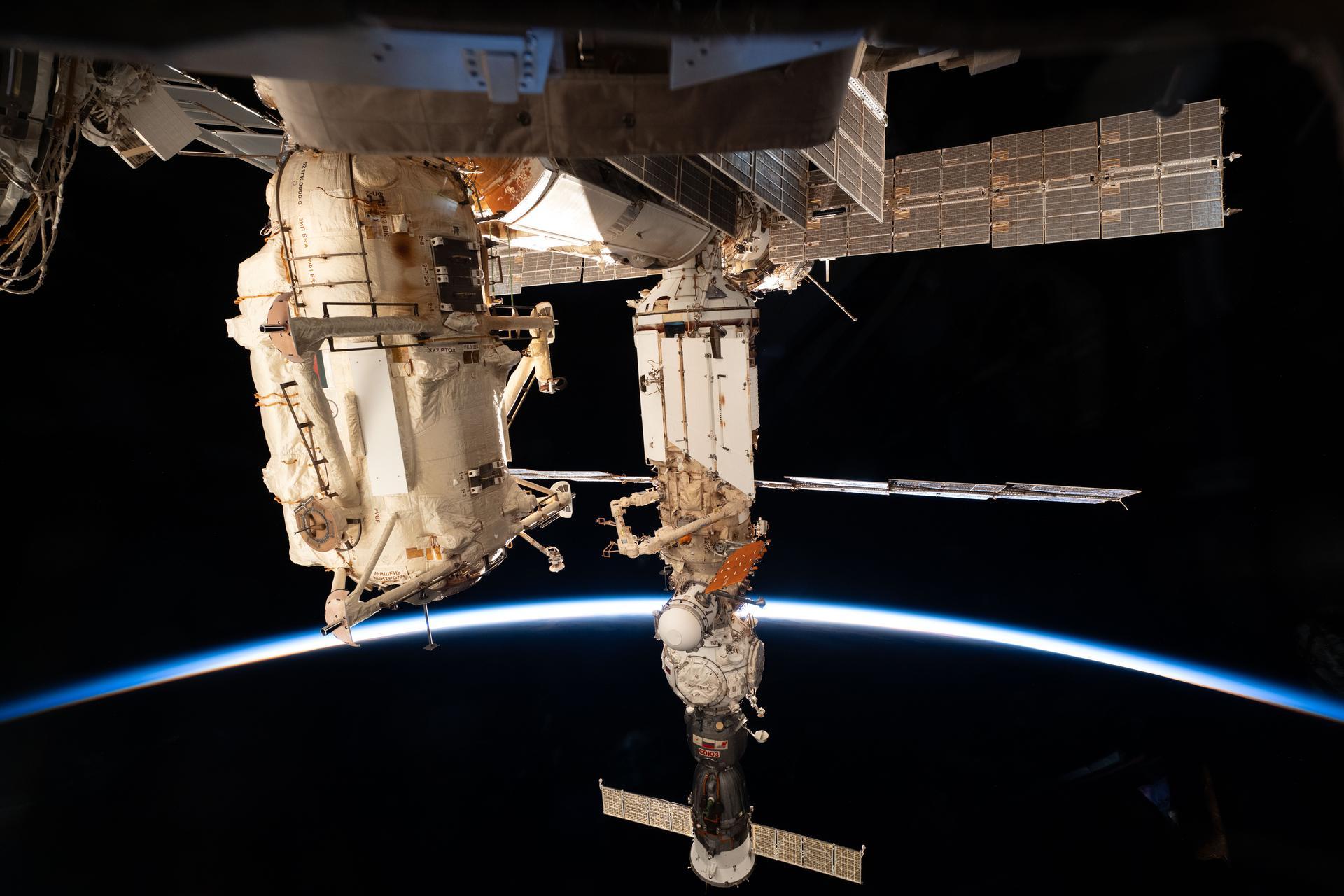
Astro Camp is a face-to-face space and science event created by Cosmos Robot Works. Starting with real space photographs, we explore how rockets fly, what makes planets different and what life in space is like.
We examine photographs and scientific diagrams on the big screen, ask questions and make predictions. Participants raise their hands to share ideas; together we explain each topic through observations and everyday examples.
Our aim is not memorising: it is helping students ask questions, make predictions and interpret what they see scientifically.
02Astro Camp by Cosmos Robot Works
From robotics to space, the same drive to discover.
We create and run Astro Camp as Cosmos Robot Works. We bring the engineering and teamwork behind FRC #7742 into an event where we explore space and science together.
- Created by our team
- Cosmos Robot Works brings the topics, visual stories and questions together.
- Exploring together
- We use space missions and accessible examples to explore how science and engineering work.
- NASA educational resources
- The images used in the event are selected from NASA's publicly available image archive; the source is credited on every image.
- Organiser
- Organised by Cosmos Robot Works as part of the NASA ACCP programme.
This is not NASA's official website. NASA imagery is used for educational purposes; this use does not imply NASA's approval or endorsement.
03Our mission
We start with curiosity.
- 01
Nurture scientific curiosity.
Every great discovery begins with a question; we make asking questions worthwhile.
- 02
Make space science accessible.
We explain complex topics in an visual and clear way, using concrete examples.
- 03
Explore STEM through discovery.
We make a first encounter with science, technology, engineering and maths unforgettable.
- 04
Encourage scientific thinking.
Predict, observe, compare: we try thinking like scientists.
- 05
Inspire the scientists and engineers of the future.
A child who looks at a photograph in awe today may be part of that mission tomorrow.
04The learning journey
Explore space in eight stops.
The programme is designed as a journey from Earth to Mars. At every stop we work with real photographs and scientific data.
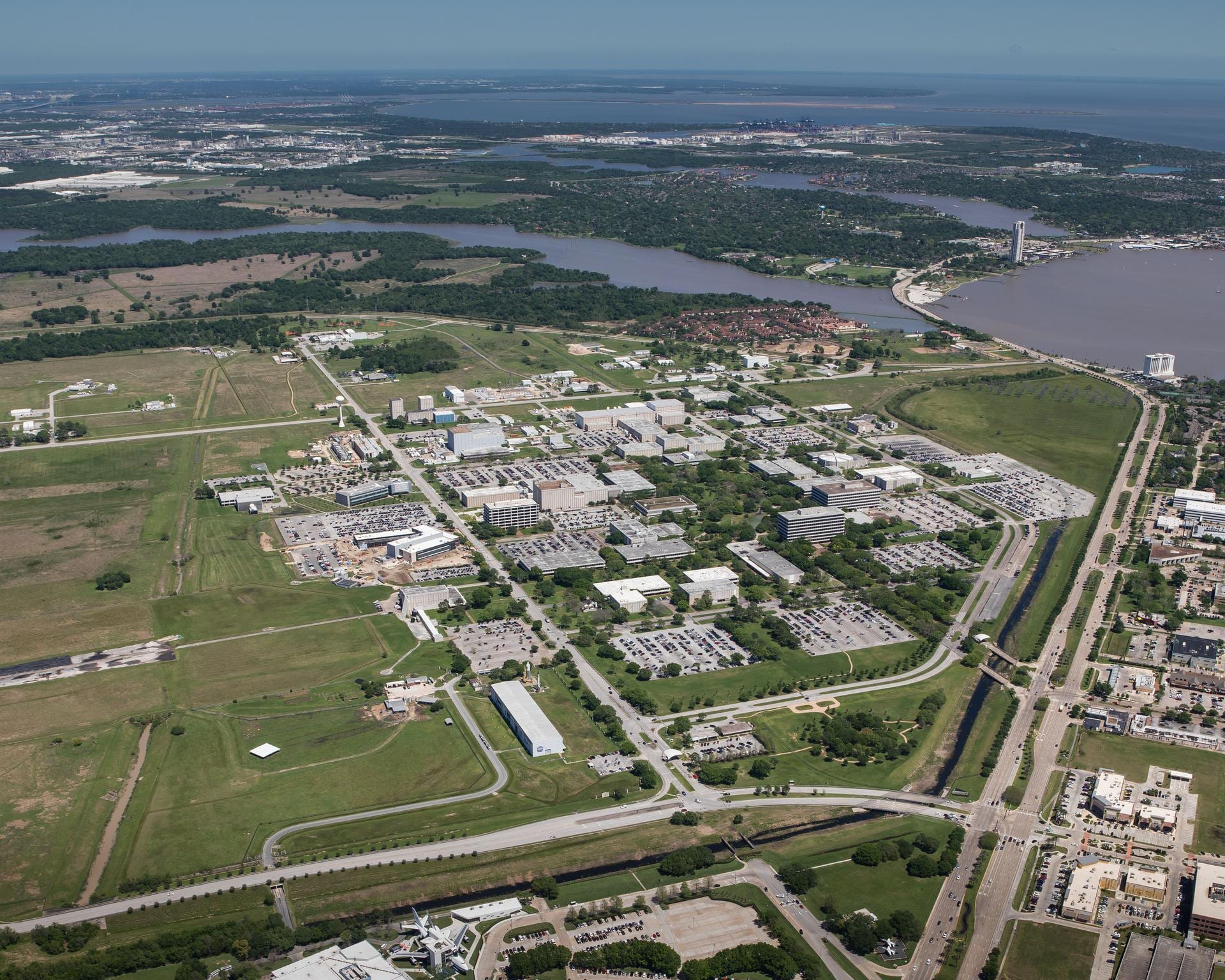
Image: NASA/Bill Stafford · jsc2017e039528 01NASA and Johnson Space Center
Where are space missions planned and run?
Image: NASA/Joel Kowsky · NHQ202211160009 02Rockets and space technology
The engineering needed to overcome gravity.
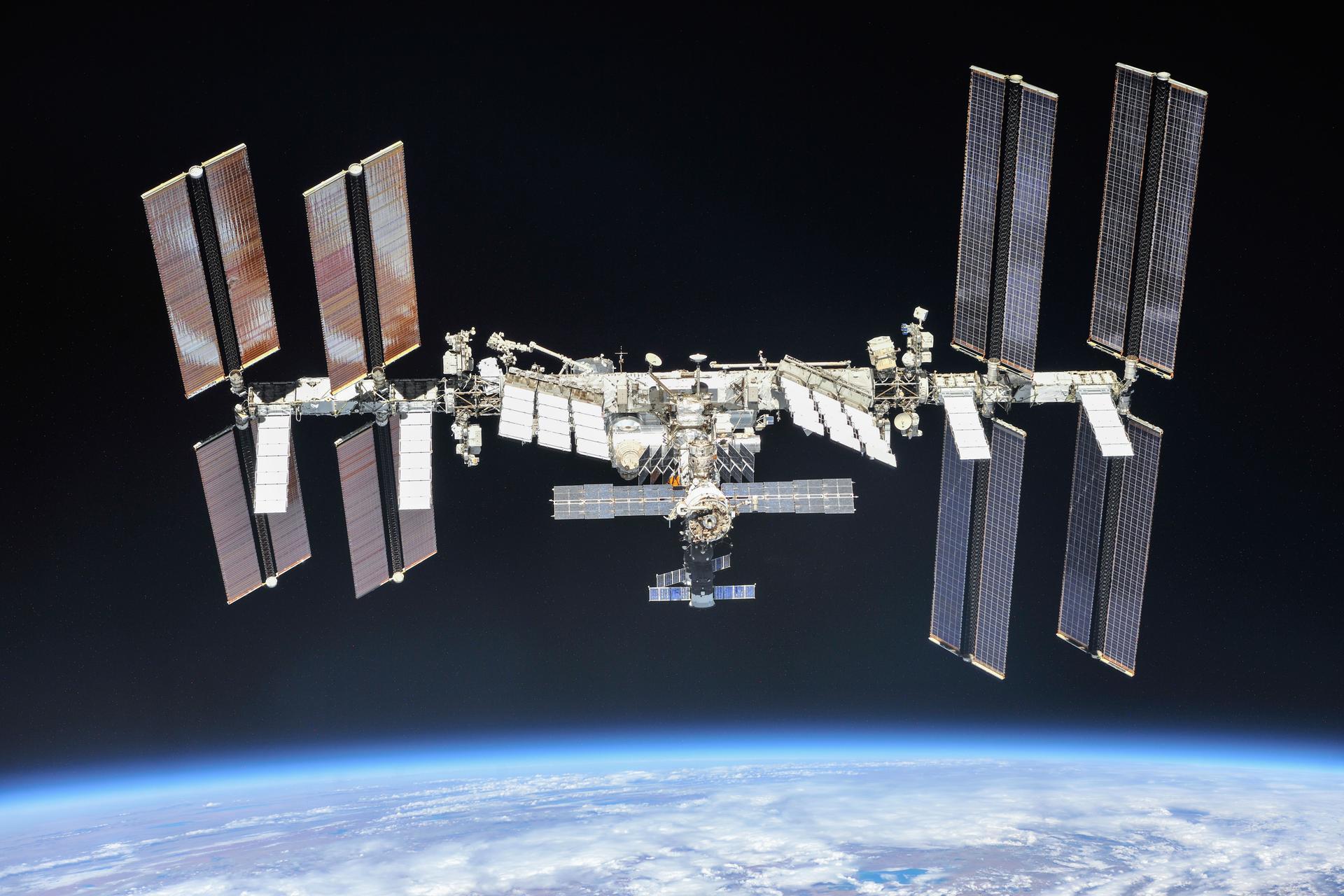
Image: NASA/Roscosmos · iss056e201248 03The International Space Station
A laboratory circling the Earth.
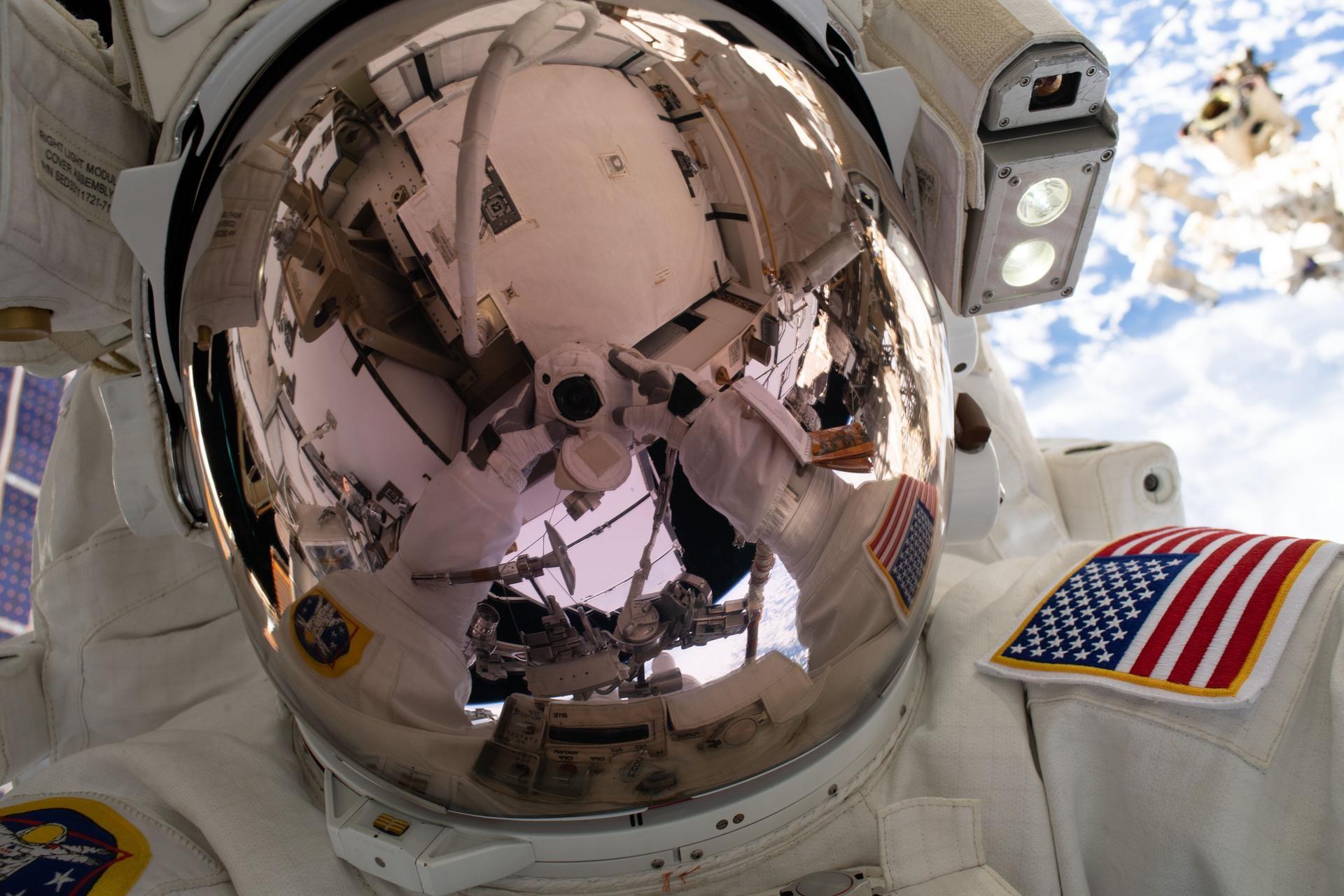
Image: NASA · iss059e002710 04Astronauts and life in space
Working, eating and sleeping without weight.
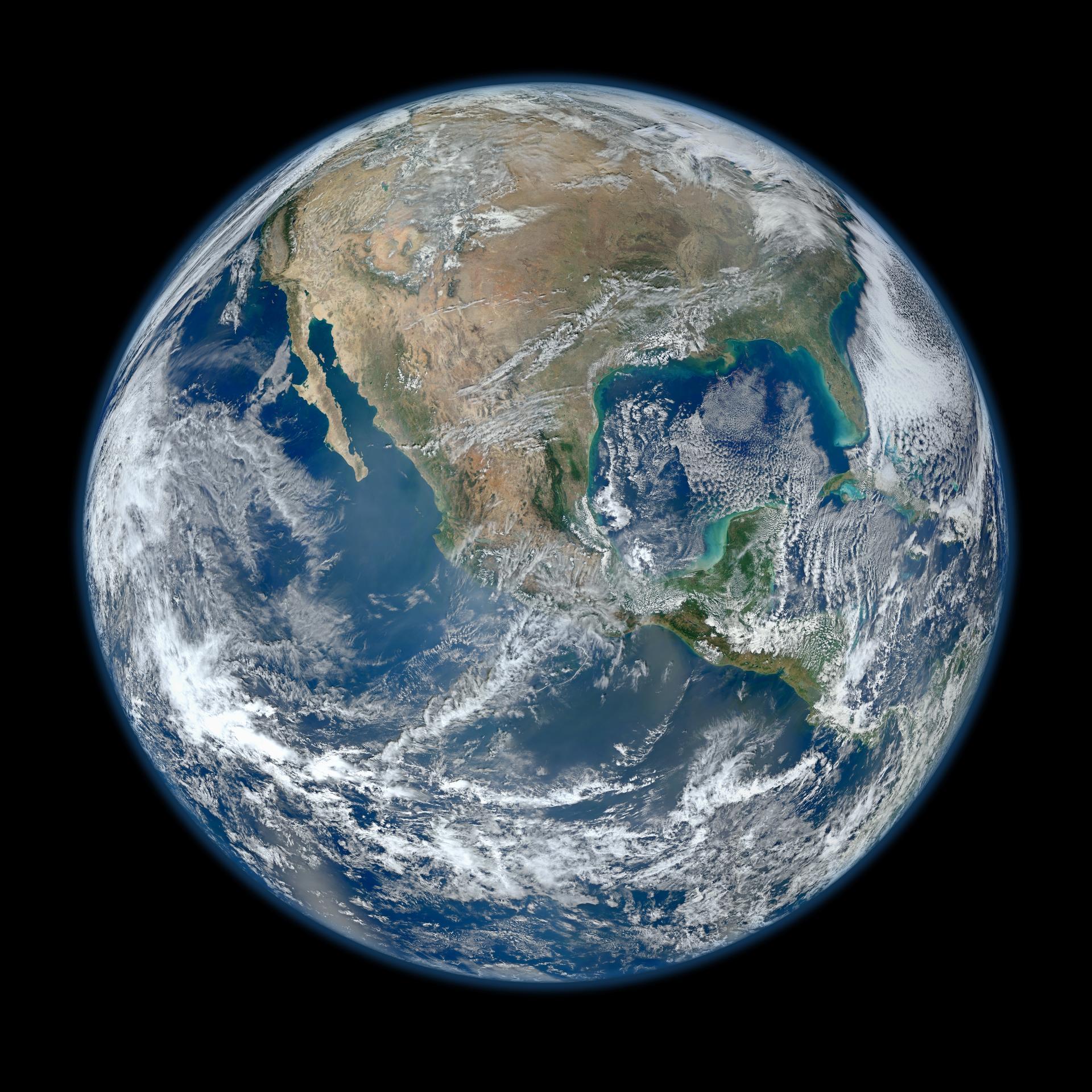
Image: NASA/NOAA/GSFC/Suomi NPP/VIIRS/Norman Kuring · GSFC_20171208_Archive_e001386 05Earth and its atmosphere
The thin layer that protects our planet.
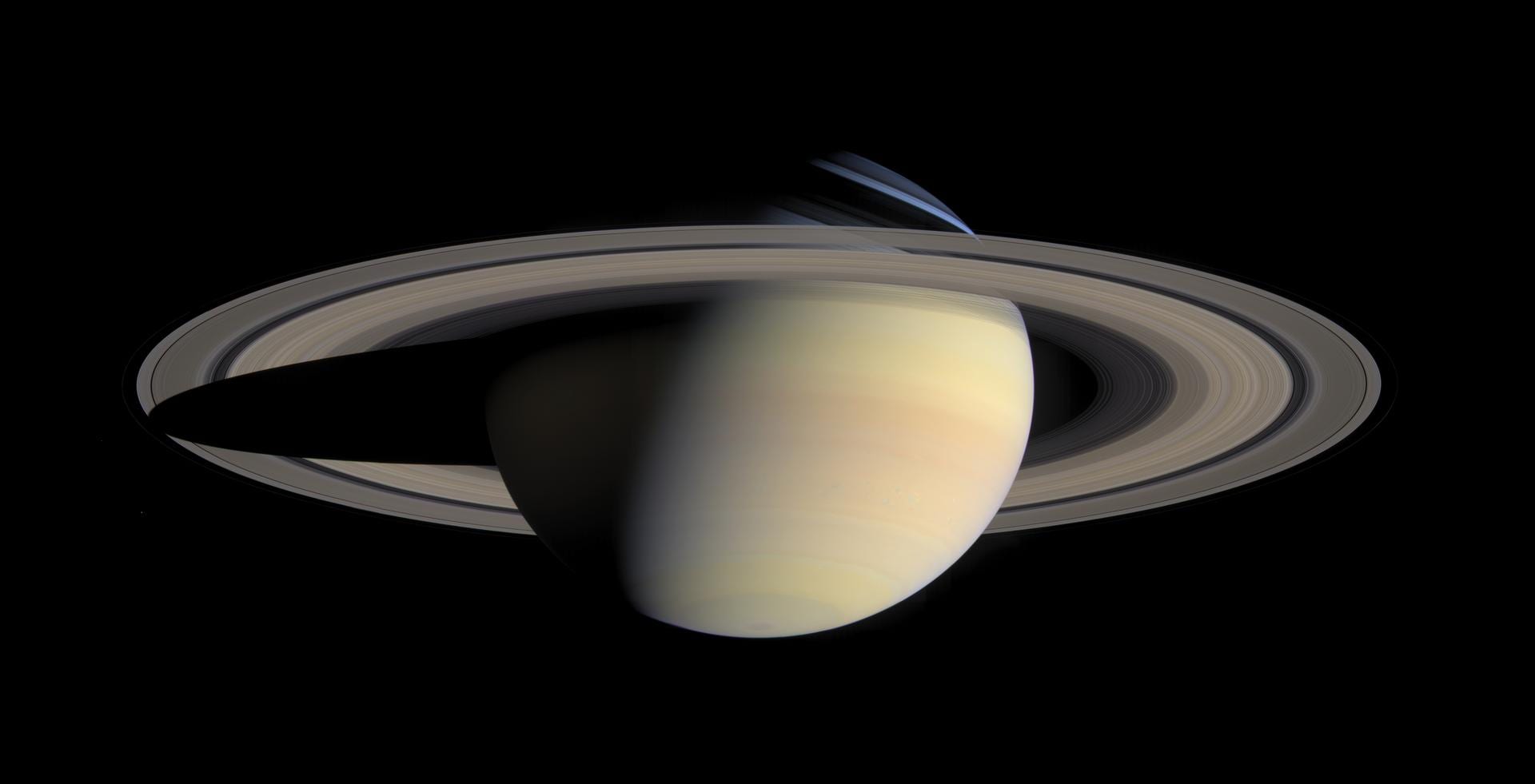
Image: NASA/JPL/Space Science Institute · PIA06193 06The Solar System
The planets around the Sun, and their sizes.
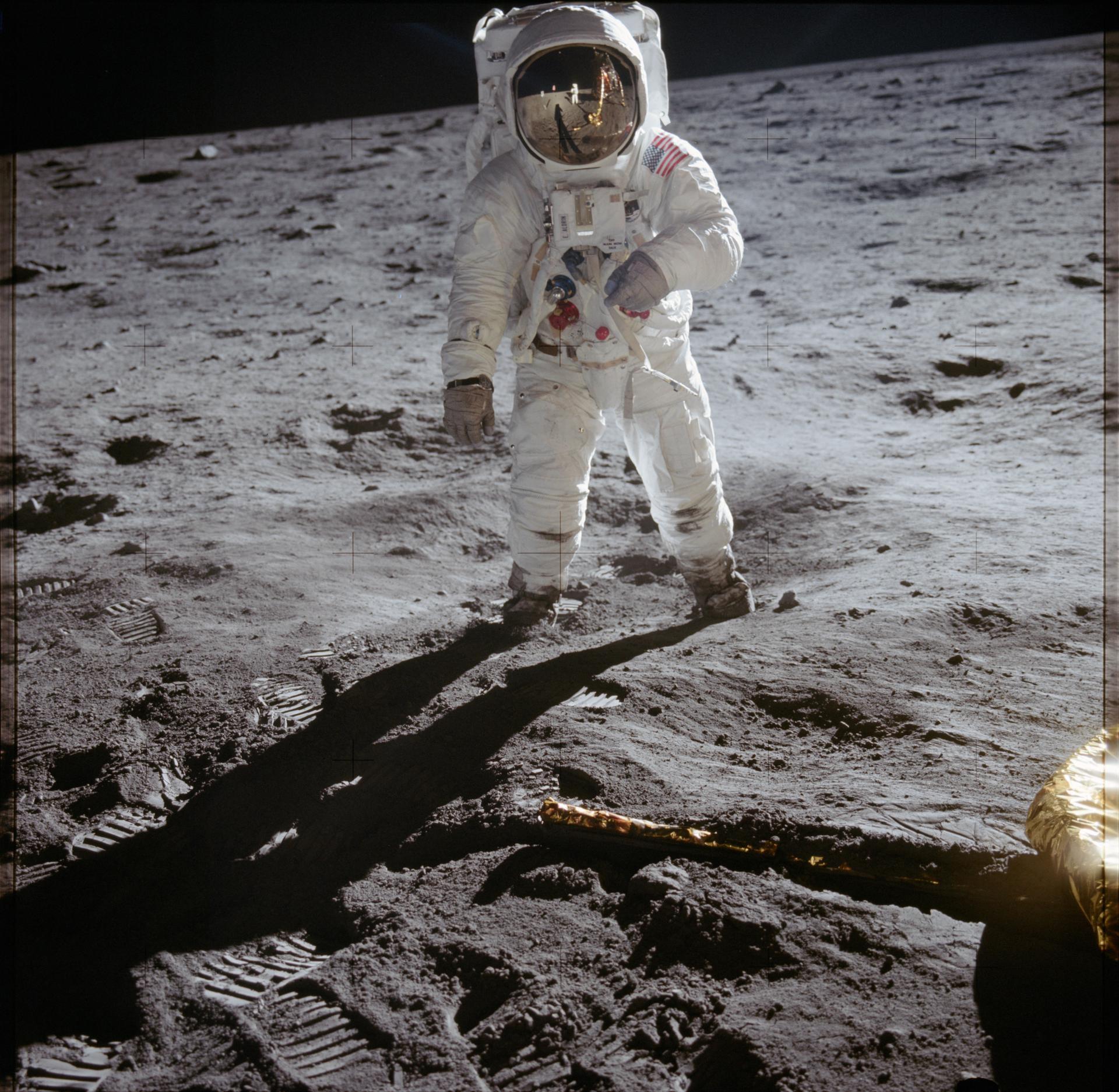
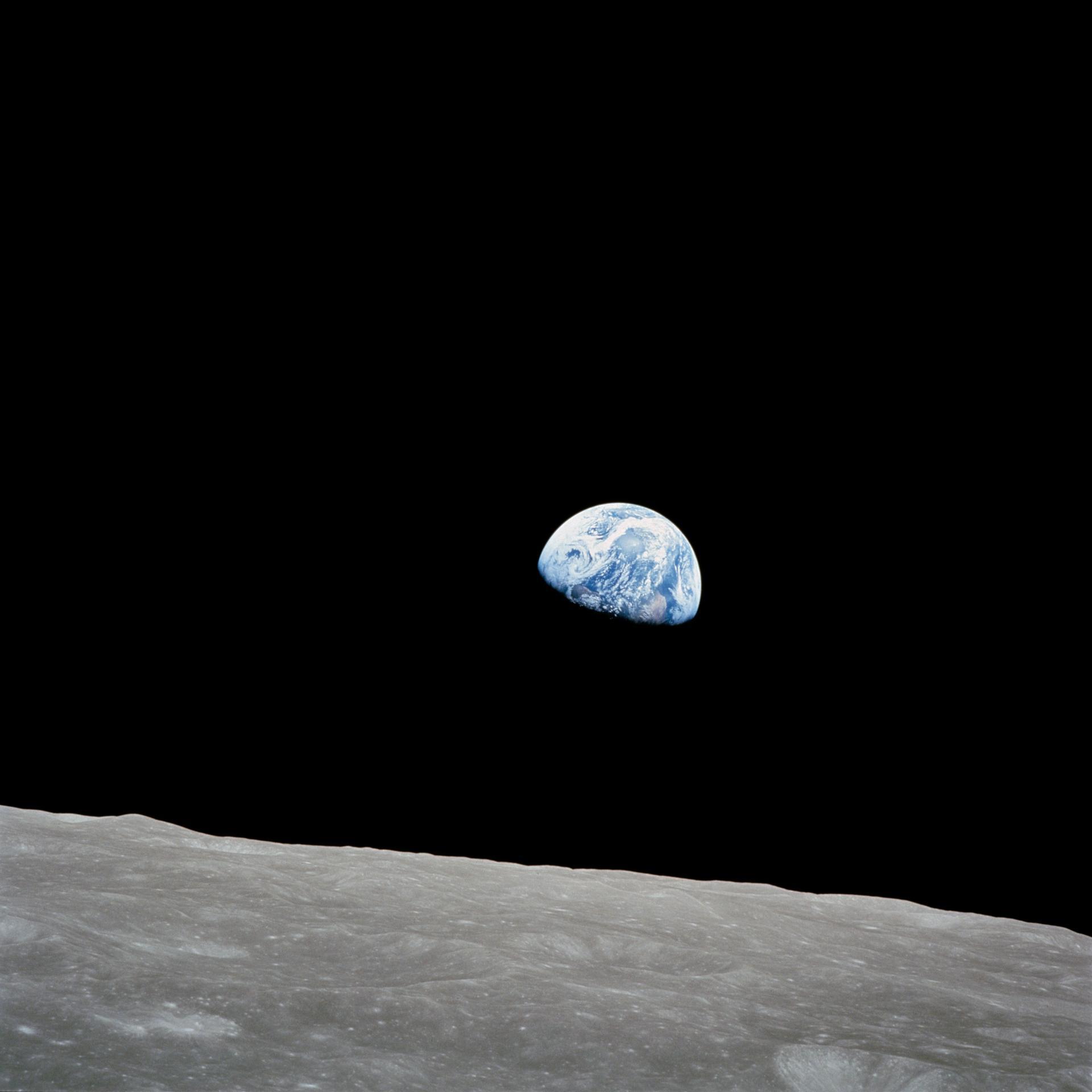
Image: NASA · as11-40-5903 07The Moon and space exploration
First steps in a world without air.
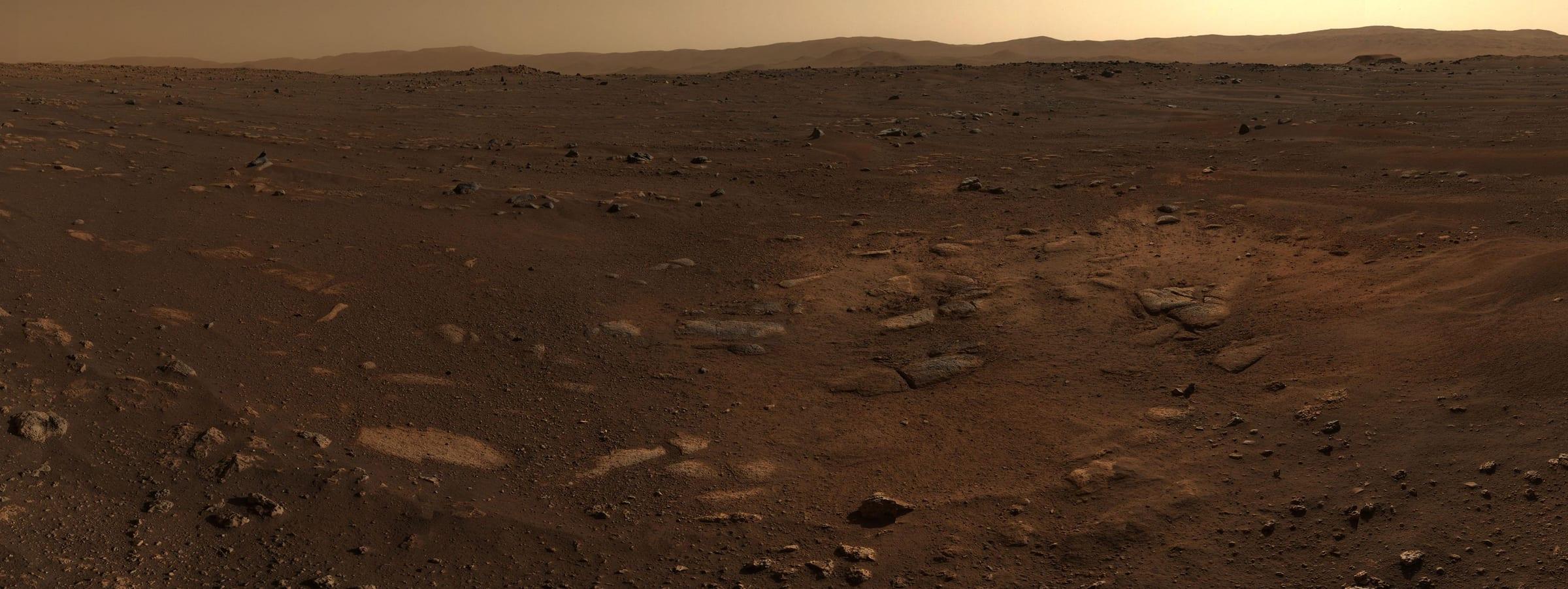
Image: NASA/JPL-Caltech/MSSS/ASU · PIA24264 08Mars and future space missions
The open questions of a journey to the Red Planet.
05The Astro Camp experience
Exploring the story of space together.
With the Cosmos Robot Works team, we examine real space imagery, make predictions about scientific questions and explore the reasons behind the answers.
Students do not need any personal electronic device.
- 01
Instructor-led visual presentations
Real space photographs and scientific diagrams on the big screen.
- 02
Taking part by raising hands
Questions on screen, answers in the hall: students reply by raising their hands.
- 03
Scientific predictions and Q&A
First we predict, then we explain together.
- 04
NASA educational videos
Short, focused videos that bring each topic closer.
Planned
- 05
Scientific animations
Animations that show orbits, scale and time step by step.
In development
- 06
Digital experiments and simulations
Live simulations whose parameters the instructor changes together with the hall.
In development
06What happens at Astro Camp?
From a question to a new discovery.
At Astro Camp, we do more than watch: we ask, predict and make sense of what we see together.
- Ask and predict
- How does a rocket rise? How long is a day on Mars? We share ideas before revealing the answer.
- Start with real imagery
- We examine real mission photographs, planets and scientific diagrams, using familiar comparisons to explain distances and scales.
- Explain the science together
- We compare predictions with observations. Planned experiments and simulations will let us explore the ideas in more detail.
The Cosmos Robot Works approach: explore, question, predict, observe, learn.
07Our past events
What we discovered together.
We bring together the Astro Camp gatherings held by Cosmos Robot Works, with discovery stories and photographs.
Our event archive is being prepared.
We will share the dates of our past gatherings, the institutions we visited and moments from each event here.
08Gallery
Seeing space up close.
For now the gallery shows images selected from NASA's public archive. Event photographs will be added as events take place.
These images are from the NASA archive; they are not photographs of an Astro Camp event.
The full galleryFIRST Robotics Competition
09Cosmos Robot Works
The team behind Astro Camp: Cosmos Robot Works.
Cosmos Robot Works is FRC Team #7742, competing in the FIRST Robotics Competition. Alongside its robotics work, the team organises events that spread science and technology education.
Astro Camp is the expression of that education vision in space science.
Let’s explore space with Cosmos.
Schools and educational institutions can get in touch with us to learn more about Astro Camp.
Image: A Martian landscape from Perseverance in Jezero Crater. · NASA/JPL-Caltech/MSSS/ASU · PIA24264